
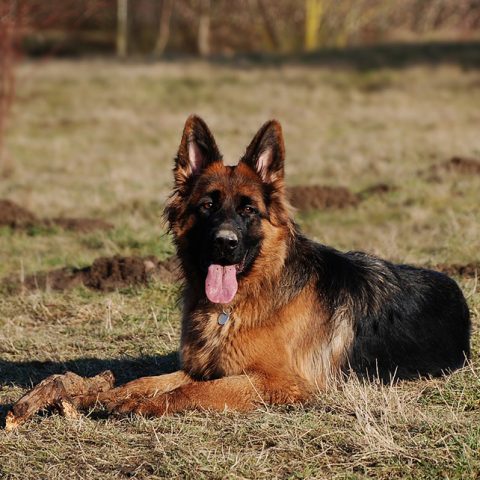
Hypoallergenic dogs are one kind of breed that has a non-shedding coat and is less likely to dander clings to the dogs. As a result, there are fewer chances of dander sticking around the house.
Hypoallergenic dogs are dangerous for people with dog allergies. So to see if German Shepherds are harmful to allergic people or not, we have to see are German Shepherd hypoallergenic?
Are German Shepherd hypoallergenic?
No, German Shepherds are not hypoallergenic. German Shepherd has high-risk skin allergies such as Canine atopic dermatitis.
German Shepherds are medium to heavy shedders, making them non-hypoallergenic. They have a thick double coat topcoat and undercoat; the undercoat tends to shed.
It can be because of many reasons like environmental, parasitic, food hypersensitivity, most of the time they suffer from dry skin, flaky skin, secondary bacterial skin infection, scabies, etc. German Shepherds have a high risk of developing allergies.
People with dog allergies should avoid German Shepherd or take proper precautions if they are planning to get German Shepherd as a pet.
How to manage German Shepherds hair?
- Try to bathe your dog very often if he is hypoallergenic. It will help wash off the dander and also smell nice. Bathe them twice a week to deal with allergies, and it is essential to clean the undercoat to get rid of the unwanted hair.
- Professionals’ advice blow drying the German Shepherd will blow out the undercoat to reduce the shedding.
- Make brushing a part of your everyday routine. Brush every day for at least 5 minutes to remove any lose hair. Always brush your dog outside the house to keep the hair out of your home.
- If you live in a cooler place, you should not let your German Shepherd spend too much time outside. It may cause the coat to grow thicker.
Read: 6 Effective Tips To Improve German Shepherd Coat
What is a hypoallergenic dog?
All animals with fur, like dogs and cats, release specific proteins, which cause an allergic reaction to human beings. There is no such dog that does not cause any allergic reaction. Hypoallergenic dogs are less likely to cause allergic reactions.
Hypoallergenic dogs shed significantly less, causing minor dander release and these breeds release less of the allergen into the environment.
What is a pet allergy, and how to deal with it?
Pet allergy: Some people are allergic to dander which dogs or cats release. It is a very tiny flack of skin shed by animals with fur.
It sticks to things like carpet, mat, and sofa. People with a sensitive immune system are prone to pet allergies.
Precautions: If you are allergenic to dogs, you must use an air filter in your home. Dander can remain in the air and get stuck to the soft surface. An air filter will block these particles.
Keep your home always clean. Regular vacuuming will help get rid of the dander particles from your surface. Clean the floor and dust the rugs, carpets, sofas regularly and do some deep cleaning once a year.
Areas where German Shepherd develops allergies
There is no specific part where German Shepherd is more likely to be prone to allergies, but there are some common parts in their body that are frequent locations for allergic inflammation.
- Face
- Ears
- Paws
- Sides
- Hind end
- Legs
- Stomach
Symptoms of skin allergies in German Shepherd
Following are some symptoms that can be seen on allergy-prone areas of German Shepherd.
- Dandruff
- Flaky skin
- Dray skin
- Hot spots
- Hair loss
- Sores
- Red, teary eyes
- Itchy ears
- Smelly ears
Food allergies in German shepherd
A German Shepherd develops food hypersensitivity most of the time, and food allergy can cause chronic inflammations. In addition, a cutaneous adverse food reaction (CAFR) is responsible for many skin-related issues.
Skin disorders and scratching or itching can lead to secondary bacterial infections and crusting, alopecia, and seborrhea.
German Shepherd can develop food allergies from beef, chicken, milk, corn and eggs. This can make them suffer from gastrointestinal issues.
Basic treatment of food allergy in German Shepherds
Give your German Shepherd a proper diet
Giving fresh and nutritious food is the key. A poor diet can cause skin allergies and gastrointestinal issues in dogs. Cooked food does not contain enough nutrition, which German Shepherds need, so fresh food is essential.
Food with an omega-3 fatty acid, omega-6, sunflower oil, fish oil is essential. In addition, vitamins like amino acid, zinc, vitamin B are necessary for German Shepherds.
External treatment of allergy
If your dogs’ allergy is too severe, it is essential to visit the vet. Use products suggested by the vet to control the allergy.
There are products available in the market which are hypoallergenic sulfate-free. Make sure to use organic shampoo to solve skin-related issues.
Products containing Tea Tree Oil, Aloe Vera have anti-inflammatory properties which help soothe the skin.
Conclusion: Should you keep German Shepherd as a pet if you are allergic?
German Shepherds are not hypoallergenic, and they do shed a lot making them more likely to cause allergies. They are not recommended if you are someone who is allergic to dogs.
However, if you are interested in German Shepherds, you can give it a try.
You have to take some precautions and make sure you take extra effort with your German Shepherd.
Proper maintenance is needed. Make grooming a part of your daily routine, and make sure to provide a healthy diet to your German Shepherd. All this will definitely keep the shedding under control.